
How to choose Recovery Truck is an important question for towing companies, roadside assistance providers, vehicle workshops, and fleet operators. The wrong choice can lead to higher operating costs, limited towing capability, and poor performance in daily recovery work. With many truck types and configurations available, buyers need to consider more than engine power or purchase price.
This guide explains the key factors to consider before choosing a recovery vehicle. You will learn how to match truck capacity, chassis type, towing equipment, working environment, and operating requirements with your business needs. These points can also help you make a more practical decision when you plan to purchase a tow truck for commercial use.
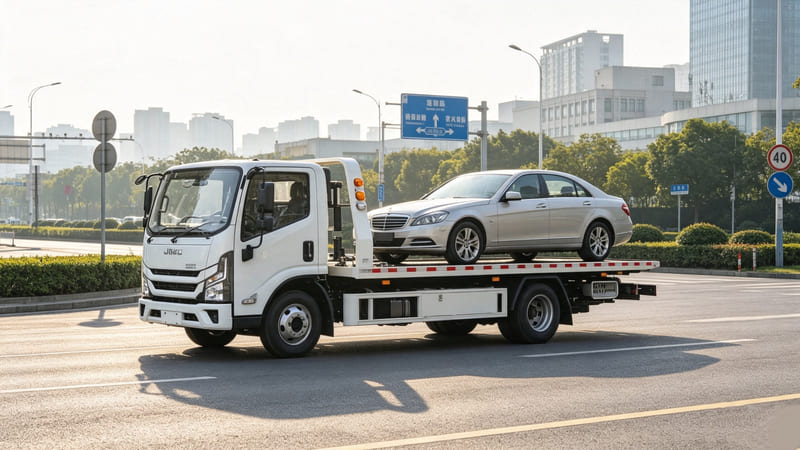
Table of Contents
Top 3 Recovery Truck Types
Different recovery tasks require different vehicle configurations. Selecting the right type is one of the most important decisions for a towing business.
1. Light-Duty Recovery
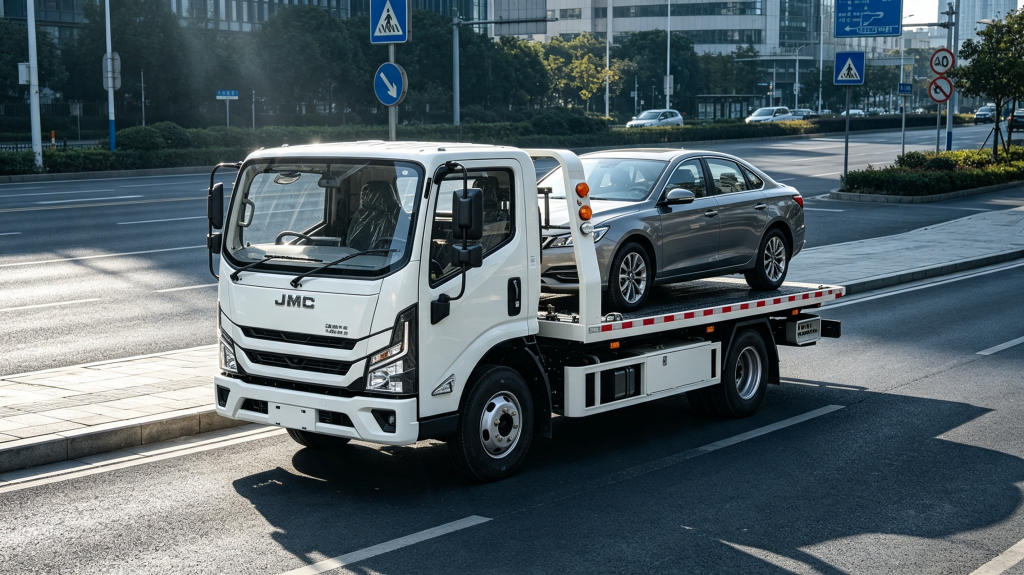
For passenger cars, small vans, and light commercial vehicles, a compact recovery vehicle can provide sufficient performance while keeping operating costs under control.
A light duty tow truck is suitable for urban roadside assistance, vehicle workshops, parking services, and daily breakdown recovery. Its smaller size also makes it easier to operate in narrow streets and busy city areas.
2. Medium-Duty Recovery
Medium-duty vehicles are designed for heavier vans, commercial vehicles, and larger equipment. They provide more capacity than light-duty models while remaining easier to operate than heavy recovery units.
This category can be a good option for companies that need flexibility and regularly handle different vehicle sizes.
3. Heavy-Duty Recovery
When your business handles buses, trucks, construction equipment, or other heavy vehicles, a heavy recovery truck may be necessary. These vehicles normally require stronger chassis structures, higher-capacity winches, reinforced recovery equipment, and greater engine output.
A heavy duty recovery truck is suitable for professional recovery companies, highways, logistics fleets, construction projects, and emergency vehicle recovery.
Choosing a heavy-duty configuration when it is not required can increase operating expenses. However, using an undersized truck for heavy recovery work can create safety and reliability problems.
What Type of Truck Is Best for Towing?
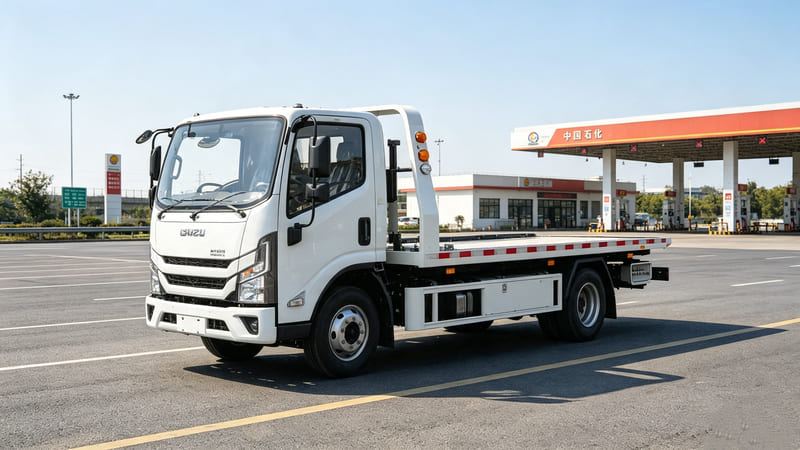
What type of truck is best for towing? There is no single answer because the best choice depends on the vehicle weight, towing frequency, road conditions, and type of recovery work.
For passenger cars and small vans, a light-duty configuration may be enough. For commercial vehicles, medium-duty recovery equipment can provide a better balance. For buses and heavy trucks, heavy-duty equipment is usually more appropriate.
If most of your work involves standard vehicles on urban roads and highways, a practical 4×2 recovery vehicle can provide a good combination of maneuverability, capacity, and operating cost.
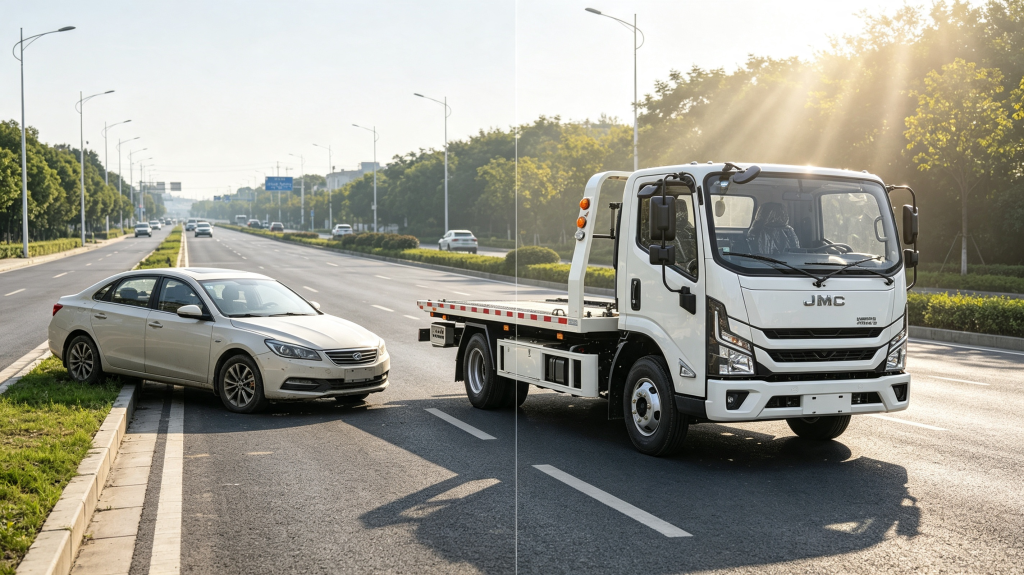
How to Choose Recovery Truck Based on Your Business Needs?
Step 1: Consider Towing and Recovery Capacity
Capacity is one of the most important technical factors when choosing a recovery vehicle. Do not evaluate a truck only by its engine horsepower.
You should check the following specifications:
- Gross vehicle weight
- Maximum towing capacity
- Maximum lifting capacity
- Winch pulling capacity
- Boom capacity
- Recovery body dimensions
- Chassis payload
- Axle configuration
The recovery equipment must be matched to the actual weight of the vehicles you plan to tow. A suitable safety margin is also important because real-world conditions can be different from standard test conditions.
For example, recovering a disabled vehicle on a flat road is different from recovering one from a roadside ditch. The latter may require greater pulling force and more capable recovery equipment.
Step 2: Select the Right Chassis and Drive Configuration
The chassis affects maneuverability, payload, fuel consumption, and performance in different working environments.
A 4×2 configuration is often practical for urban roads, highways, workshops, and general roadside assistance. It provides a good balance between operating cost and useful recovery capability.
For rough roads, construction sites, muddy areas, or remote locations, a four-wheel-drive configuration may be more appropriate. However, 4×4 trucks normally have higher purchase and operating costs.
The key is to match the chassis to your actual working environment rather than automatically choosing the largest or most powerful option.
Step 3: Evaluate the Recovery Equipment
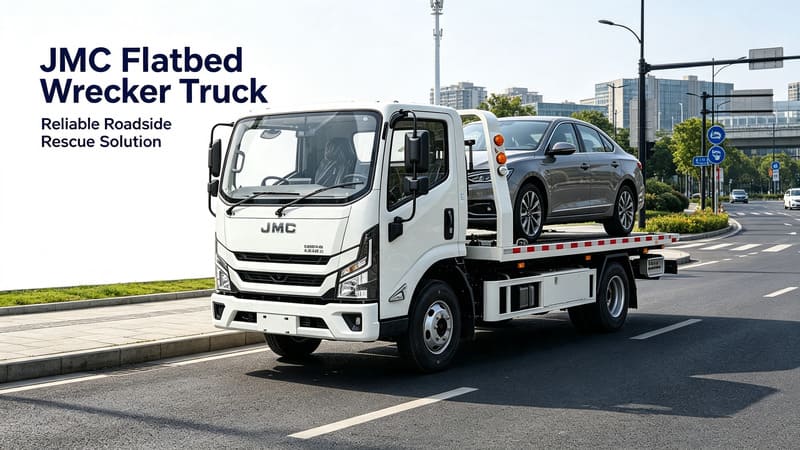
The recovery system is just as important as the truck chassis. Different recovery jobs may require different equipment.
A typical recovery vehicle may include:
- Hydraulic boom
- Hydraulic winch
- Steel or synthetic recovery cable
- Wheel lift
- Tow chains
- Stabilizing legs
- Warning lights
- Tool compartments
- Hydraulic control system
A recovery tow truck with a well-designed hydraulic system can make lifting and towing operations smoother. Easy-to-use controls can also reduce working time and improve operator efficiency.
When comparing suppliers, ask for detailed specifications of the recovery equipment instead of only checking the truck’s engine power.
Step 4: Think About Operating Costs
Purchase price is important, but it should not be the only factor in your buying decision.
A recovery vehicle is a long-term business asset. You should also consider:
- Fuel consumption
- Maintenance costs
- Spare parts availability
- Driver training
- Hydraulic system maintenance
- Tire costs
- Insurance
- Local service support
A reliable chassis with accessible spare parts can help reduce downtime. This is particularly important for towing companies because every hour of downtime can affect business revenue.
For international buyers, after-sales support should also be considered. Check whether the supplier can provide spare parts, technical support, operating manuals, and remote assistance.
Step 5:Compare Wrecker Truck Configurations
A wrecker truck normally combines a commercial truck chassis with specialized recovery equipment. However, configurations can vary significantly between manufacturers.
Before making a final decision, compare the following:
| Item | What to Check |
| Chassis | Brand, drive type, wheelbase, payload |
| Engine | Power, fuel type, emissions standard |
| Recovery body | Dimensions, construction, load capacity |
| Winch | Pulling capacity and cable length |
| Hydraulic system | Pump, controls, operating efficiency |
| Towing equipment | Boom, wheel lift, towing accessories |
| Safety | Warning lights, reflectors, stabilizers |
| Service | Spare parts and technical support |
A detailed comparison helps you identify which configuration offers the best value for your actual workload.
Step 6: Check Local Requirements Before Buying
International buyers should also check local regulations before ordering a recovery vehicle. Requirements can vary by country and may cover vehicle dimensions, emissions, lighting, braking systems, road registration, and safety equipment.
Import requirements are another important consideration. Make sure the selected truck meets the destination country’s technical and certification requirements.
It is also useful to confirm whether replacement parts and qualified technicians are available locally. A competitively priced truck may not be the best long-term choice if maintenance support is difficult to obtain.
How to Make the Final Buying Decision?
After identifying your requirements, create a simple comparison between several suitable models. Focus on actual business needs instead of choosing a truck based only on price or horsepower.
A good selection should provide:
- Sufficient towing capacity
- Suitable chassis configuration
- Reliable recovery equipment
- Reasonable fuel consumption
- Easy maintenance
- Good spare parts availability
- Appropriate safety equipment
- Reliable supplier support
If you are still unsure how to choose Recovery Truck, provide the supplier with information about the vehicles you normally recover, expected towing frequency, working environment, and destination market. A professional manufacturer can then recommend a suitable configuration.
Conlusion
Choosing the right recovery vehicle is an important investment for towing companies and roadside assistance businesses. The best option should match your vehicle recovery needs, operating environment, budget, and long-term maintenance requirements. Do not focus only on the initial purchase price. Consider towing capacity, chassis performance, recovery equipment, spare parts, and after-sales support as well.
If you are planning to purchase a tow truck, we can help you select a suitable configuration based on your target vehicle types and working conditions. Contact to us for detailed specifications, configuration recommendations, pricing, and export solutions. Our team can help you find a practical recovery vehicle for your market and business needs.
Fluently Asked Questions
What type of truck is best for towing?
It depends on the vehicle weight and recovery conditions. Light-duty trucks suit cars and vans, while heavy-duty models are better for trucks, buses, and heavy equipment.
What should I consider when choosing a recovery truck?
Consider towing capacity, chassis type, recovery equipment, operating environment, fuel consumption, maintenance costs, and after-sales support.
What is the difference between a light-duty and heavy-duty recovery truck?
A light-duty recovery truck is designed for cars and small vans. A heavy-duty recovery truck is built for larger vehicles and requires higher towing and recovery capacity.
Is a 4×2 recovery truck suitable for city roads?
Yes. A 4×2 configuration offers good maneuverability and practical operating costs, making it suitable for urban roads, highways, and general roadside assistance.
What equipment does a recovery tow truck need?
Common equipment includes a hydraulic winch, boom, wheel lift, recovery cable, stabilizing legs, warning lights, and towing accessories.
How can I choose the right recovery truck for my business?
Identify the vehicles you recover, their average weight, working environment, and expected workload. Then select a truck with suitable capacity and equipment.